Natural stone is a timeless material in construction and interior design, offering strength, elegance, and versatility. Whether you are specifying marble for a luxury countertop or granite for a high-traffic floor, understanding key stone terms and standard sizes ensures the right selection and installation.
Common Stone Types


Stone Product Forms
Block: Large raw stones extracted from quarries, later cut into slabs or tiles.

Slab: Large, flat sections of stone used for countertops, flooring, and wall cladding.

Standard sizes: Length 240–320 cm, Width 120–200 cm, Thickness 2–5 cm depending on application.
Tile: Smaller, cut pieces of stone for flooring, bathrooms, and back splashes.


In recent years, Travertine has become a favored material for creating stunning outdoor structures and landscape features that combine durability with natural beauty. Its unique aesthetic and weather-resistant properties make it an ideal choice for a variety of architectural elements designed to elevate exterior spaces.
Large-Format Slabs for Seamless Surfaces
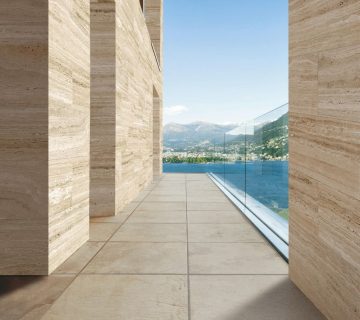
One of the most prominent trends is the use of oversized slabs of Travertine for outdoor flooring, paving, and patio areas. The large-scale installation minimizes grout lines, creating a seamless look that enhances the sense of space and unity in gardens, courtyards, and pool decks. These expansive surfaces evoke a feeling of luxury while maintaining a natural, earthy feel.

Pool Surrounds and Spa Areas
Travertine’s porous surface, when properly sealed, makes it an excellent choice for pool decking and spa surrounds. Its natural slip-resistant qualities and ability to withstand water exposure provide safety and longevity for outdoor wet areas. The warm tones of Travertine complement water features beautifully, creating a calming, resort-like environment.

Outdoor Countertops and Kitchen Spaces
Innovators are incorporating Travertine into fully functional outdoor kitchens and bar areas. Countertops made from natural stone not only add aesthetic appeal but also introduce durability against weather conditions and daily use. Its thermal properties help maintain a cool surface, ideal for summer outdoor cooking.

Cladding and Facades
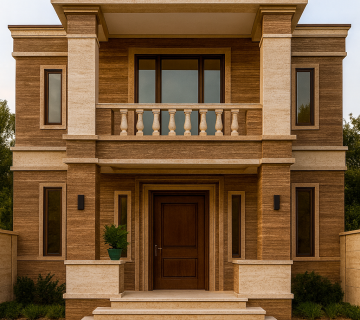
Architects are using Travertine as a cladding material for exterior walls, facades, and boundary fences. The stone’s natural veining and textures add depth and visual interest to building exteriors, creating eye-catching architectural statements. When installed vertically, Travertine enhances both insulation and weather resistance.

Integrated Lighting for Dramatic Effect
Combining Travertine with integrated outdoor lighting amplifies its visual impact at dusk and night. LED strips or spotlights highlight the natural textures, creating subtle shadows and enhancing the overall ambiance of outdoor spaces.