Natural stone is a timeless material in construction and interior design, offering strength, elegance, and versatility. Whether you are specifying marble for a luxury countertop or granite for a high-traffic floor, understanding key stone terms and standard sizes ensures the right selection and installation.
Common Stone Types
Marble: Known for its elegant veins and smooth polish, ideal for countertops, flooring, and decorative walls.
Granite: Durable and scratch-resistant, commonly used in kitchens, facades, and outdoor paving.
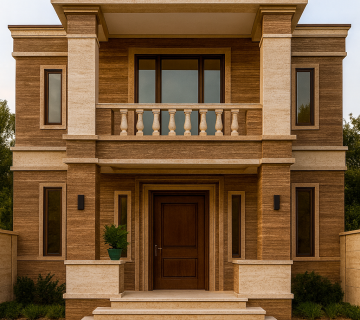
Travertine: Characterized by natural holes and earthy tones, suitable for flooring, cladding, and patios.
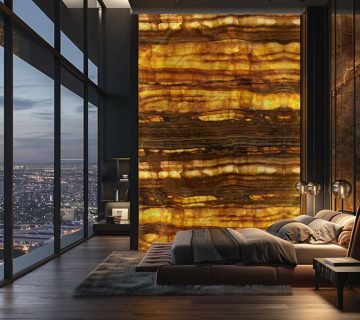
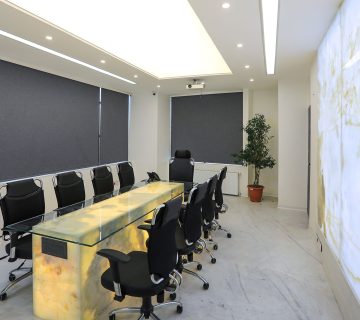
Onyx: Translucent and luxurious, perfect for backlit feature walls and decorative panels.
Stone Product Forms
Block: Large raw stones extracted from quarries, later cut into slabs or tiles.

Slab: Large, flat sections of stone used for countertops, flooring, and wall cladding.

Standard sizes: Length 240–320 cm, Width 120–200 cm, Thickness 2–5 cm depending on application.
Tile: Smaller, cut pieces of stone for flooring, bathrooms, and back splashes.

Standard sizes: 30×30 cm, 40×40 cm, 60×60 cm, 30×60 cm, 60×120 cm, Thickness 0.8–2 cm.
Larger format tiles (120×240 cm) are growing in popularity for a seamless modern look.
Stone Finishing Techniques
The surface treatment of stone affects both aesthetics and functionality:
Polished:Glossy, reflective, enhances color and veining.
Honed: Matte, smooth finish, ideal for subtle elegance.
Brushed: Textured for a rustic appearance.
Flamed: Rough surface achieved by high-temperature treatment, providing slip resistance for outdoor flooring.
Additional Construction Terms
Edge Profiles:Shapes of slab edges—straight, beveled, rounded, or bull nose—for style and safety.
Bookmatching:Consecutive slabs arranged to create mirrored patterns, used in feature walls and luxury interiors.
Sealing:Protective coating to reduce porosity and staining, extending the stone’s lifespan.
Thickness: Depth of stone pieces, critical for load-bearing and durability considerations.
Understanding these stone terms, slab & tile sizes, and finishing options is essential for architects, designers, and builders. It ensures the chosen stone meets both aesthetic and structural requirements, creating long-lasting, visually appealing spaces.
At Ghodsi Stone Factory, our experts are by your side to help you make the best choice considering your budget and project plan and conditions. With expert consultation and a precise assessment of your project needs, we introduce you to high-quality and cost-effective options while ensuring timelines and achieving the desired outcomes.
ادامه مطلب
Introduction
- Natural stones like onyx, marble, and travertine add elegance, durability, and timeless beauty to interior spaces.
- This guide provides tips for incorporating natural stones into your home or commercial interiors effectively.

-
1. Choosing the Right Natural Stone
- Marble: Ideal for luxury flooring, countertops, and wall cladding; available in diverse colors and patterns.
- Onyx: Perfect for statements walls, countertops, and decorative elements due to its translucency.
- Travertine: Great for flooring, outdoor spaces, and bathroom surfaces; known for its earthy tones and textured finish.
2. Design Tips
- Balance and Contrast: Pair natural stone with modern or minimalist furniture to create a striking contrast.
- Color Coordination: Choose stones that complement your overall interior color scheme.
- Texture Play: Mix polished stones with textured finishes for added depth.
3. Practical Considerations
- Maintenance: Regular sealing and cleaning help maintain the appearance of natural stones.
- Durability: Select stones suitable for high-traffic areas; marble might require more care than travertine.
- Lighting: Use indirect lighting to highlight translucent onyx and enhance its unique features.
4. Inspirational Ideas
- Kitchen countertops: Marble or travertine for a sophisticated look.
- Bathroom walls and floors: Durable travertine or elegant marble.
- Accent walls: Onyx backlit with LED lighting for a dramatic effect.
- Fireplace surrounds: Natural stones add warmth and texture.
5. Hiring a Professional
- Ensure proper installation by experienced craftsmen.
- Proper sealing and maintenance will extend the life and beauty of natural stone surfaces.
As homeowners and designers seek distinctive materials to create stunning interiors, onyx stands out as an exceptional option. Onyx, a captivating natural stone renowned for its luxurious appearance and dynamic patterns, is a coveted choice in contemporary interior design.

- Variety of Colors and Patterns: Onyx comes in a stunning array of shades and intricate veining patterns, ranging from earthy browns and soft creams or pure white to vibrant greens and deep blues. Understanding the variety is key to selecting the right slab.
- Emphasizing Natural Patterns: When selecting slabs, always consider how grain patterns will align with other design elements for a cohesive look.
- Maximizing Translucent Qualities: Onyx’s distinctive translucence allows for captivating effects when light filters through it. By employing strategic lighting designs, you can highlight the stone’s natural beauty. Backlighting transforms onyx into a stunning feature that draws the eye and adds depth to interiors.
- Installation Techniques: Consider installing onyx panels with concealed LED strips behind them in areas like accent walls or niches. This technique not only enhances visual appeal but also creates inviting atmospheres, particularly in living areas and dining rooms.
- Statement Pieces: Use onyx slabs as the foundation for statement pieces such as kitchen islands, reception desks, or bathroom vanities. These focal areas can anchor the design of a space while showcasing the stone’s beauty.

- Material Pairing: Balance the opulence of onyx with materials like reclaimed wood, brushed metals, or glass. These textures can soften the look of onyx while adding depth and interest to your decor.
- Sealing and Protection: Onyx is more porous than other natural stones, making it susceptible to staining. It’s essential to use a high-quality sealant upon installation and reapply it regularly to maintain its beauty and durability.
- Cleaning Protocols: Use pH-neutral cleaners specific for natural stone, avoiding acidic or abrasive products that can mar the surface. Regular maintenance will ensure that your onyx surfaces remain pristine and showcase their vibrant colors.
Onyx represents a harmonious blend of natural beauty and luxurious style, positioning itself as a favored material for sophisticated interior design. By employing strategic design principles, selecting complementary materials, and taking care of this stunning stone, you can create timeless and elegant spaces. Whether used in grand installations or subtle accents, onyx will undoubtedly enrich your decor and elevate your living environment.